“They also move from the third-person voice to that of the first person– a shift that tells a lot about their connection to the people being described, and about their intentions as writers” (Coles, 27).
The switch between first person and third person can ultimately make a drastic difference. The documentarian intentionally decides what point of view they’re telling the story from. At the beginning of the documentary Kings Coals by Elaine McMillon, the documentarian instantly makes a connection to the story she is telling. She mentions that they filmed the documentary all over in her hometown. Just from making that first relation, it hooks the audience, knowing that some parts of the documentary are her from her personal stories. This also provides context that the documentarian is passionate about this story since its where she grew up. It is crucial that McMillion tells this story, so it doesn’t go unnoticed. She wants to educate her audience about the struggles and life stories about the coal miners and the environment she grew up with.
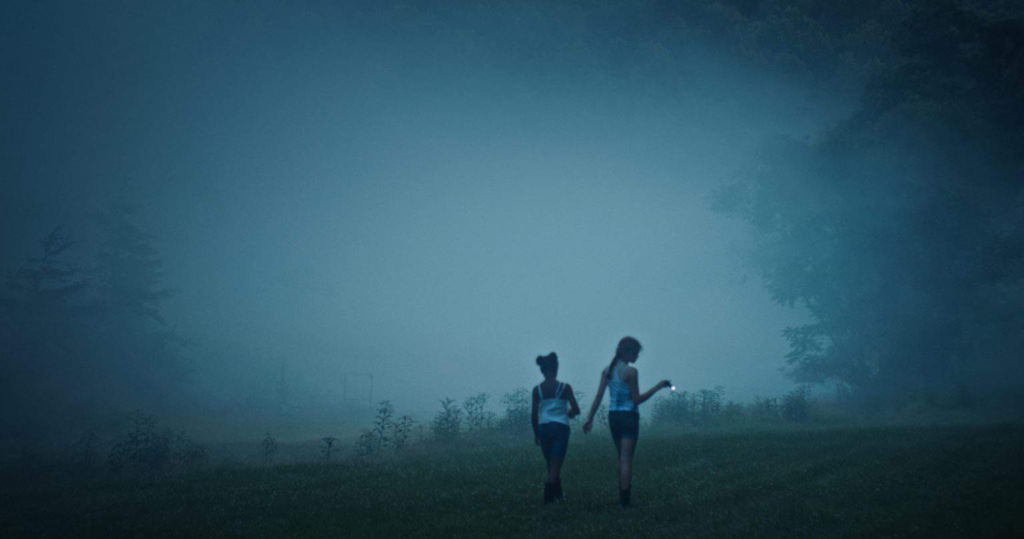
McMillion, Ellaine. 2023. ‘King Coal’ Review – A Personal Portrait Of Life & Death In Coal’s Shadow, Andre Couture.
The shift between first and third person is quite a unique way to grab the audience’s attention. It may be perceived as a subtle yet significant difference. From moving back and forth through first person and third person, it builds a relationship between the documentarian and the audience. McMillion debuts two young girls who live in the town, and clips were shown of what life is like living in a town that relies heavily on coal mining. It would be interesting if McMillion sees her younger self in the girls. After viewing the documentary, it almost felt like the girls were a depiction of McMillion.
Leave a Reply